
SS Smart Bazaar

CC Cameras: A Complete Guide to Security for Everyone-Solar cc Camera

solar cc camera

CC Cameras: A Complete Guide to Security for Everyone-Solar cc Camera

solar cc camera

1. Introduction to CC Cameras

  • Overview of CC cameras and their purpose: cc camera with sim card, also known as closed-circuit cameras, are devices used for security surveillance to monitor a specific area. Unlike broadcast TV, these cameras send their feed to a limited number of monitors, making them ideal for secure monitoring in homes, businesses, and public places.
  • Brief history and evolution of CC cameras in security technology: Understanding how CC cameras have evolved over the years—from analog to high-definition, IP-based cameras—gives us insight into their improved functionality and reliability.
  • Why CC cameras are essential for modern surveillance: In an age where security is paramount, CC cameras offer a reliable solution for monitoring and protecting assets, homes, and public spaces.
cc camera full form
cc camera full form
  1. CC Camera Full Form and Meaning
  • Full form of CC Camera: “Closed-Circuit Camera”: The term “Closed-Circuit Camera” explains that the video feed is not broadcast publicly but rather “closed” to a specific set of monitors.
  • Explanation of “closed-circuit” and how it differs from public broadcasting: Unlike public television, which can be viewed by anyone, closed-circuit technology restricts access, making it ideal for secure environments.
  • Benefits of closed-circuit surveillance for private monitoring: Closed-circuit systems ensure that footage is limited to authorized viewers, making it ideal for private homes, businesses, and other restricted areas.
  1. How Does a CC Camera Work?
  • The basic functioning of a CC camera: CC cameras work by capturing video through their lens and processing it for display on a monitor or storage device.
  • Explanation of video signals and how they are sent to a monitor or recording device: The video captured is converted into signals, either analog or digital, and transmitted to a monitor, where it can be viewed or stored.
  • Importance of lenses, sensors, and processors in capturing high-quality footage: High-quality lenses and sensors improve clarity, especially in low-light or challenging environments, while processors ensure smooth video quality.
  1. Types of CC Cameras
  • Analog CC Cameras: These traditional cameras use cables to transmit video signals to a recording device.
  • IP CC Cameras: IP cameras use internet protocols to connect over Wi-Fi or Ethernet, making them easier to monitor remotely.
  • Wireless CC Cameras: These cameras operate without cables, use Wi-Fi for connectivity, and are ideal for installations where cabling is difficult.
  • PTZ Cameras: Pan-Tilt-Zoom (PTZ) cameras allow remote control of viewing angles, which is useful for covering large or dynamic areas.
  • Dome Cameras: These cameras have a 360° view, which makes them discreet and ideal for locations that need wide-angle coverage.
  • Bullet Cameras: Known for their distinct, cylindrical shape, these cameras are best for long-distance viewing.
  • Thermal Cameras: These cameras detect heat and are useful in low-light conditions.
  • Hidden or Discreet Cameras: Designed to blend in, these cameras are used for covert monitoring.
  1. Key Features of Modern CC Cameras
  • Motion Detection: Alerts are sent when motion is detected, making it useful for unattended areas.
  • Night Vision: Infrared LEDs allow for surveillance in dark conditions.
  • Two-Way Audio: Enables communication through the camera, which is helpful for front-door or reception setups.
  • Remote Monitoring: Footage can be accessed from mobile apps, allowing users to check in from anywhere.
  • Cloud Storage vs. Local Storage: Some cameras offer cloud storage for remote access, while others use physical storage like SD cards.
  • Video Quality (HD, Full HD, 4K): High-definition cameras provide clearer images, making it easier to recognize details.
  1. CC Camera QR Code Access
  • Explanation of QR code setup in modern CC cameras: Modern CC cameras come with QR codes, which make it easy to connect to mobile apps.
  • A step-by-step guide to connecting a mobile device using QR code scanning: Simply scan the QR code with a mobile app to start monitoring.
  • Benefits of quick and convenient installation with QR code technology: QR codes streamline the installation, making it accessible for non-technical users.
  1. CC Camera with SIM Card Compatibility
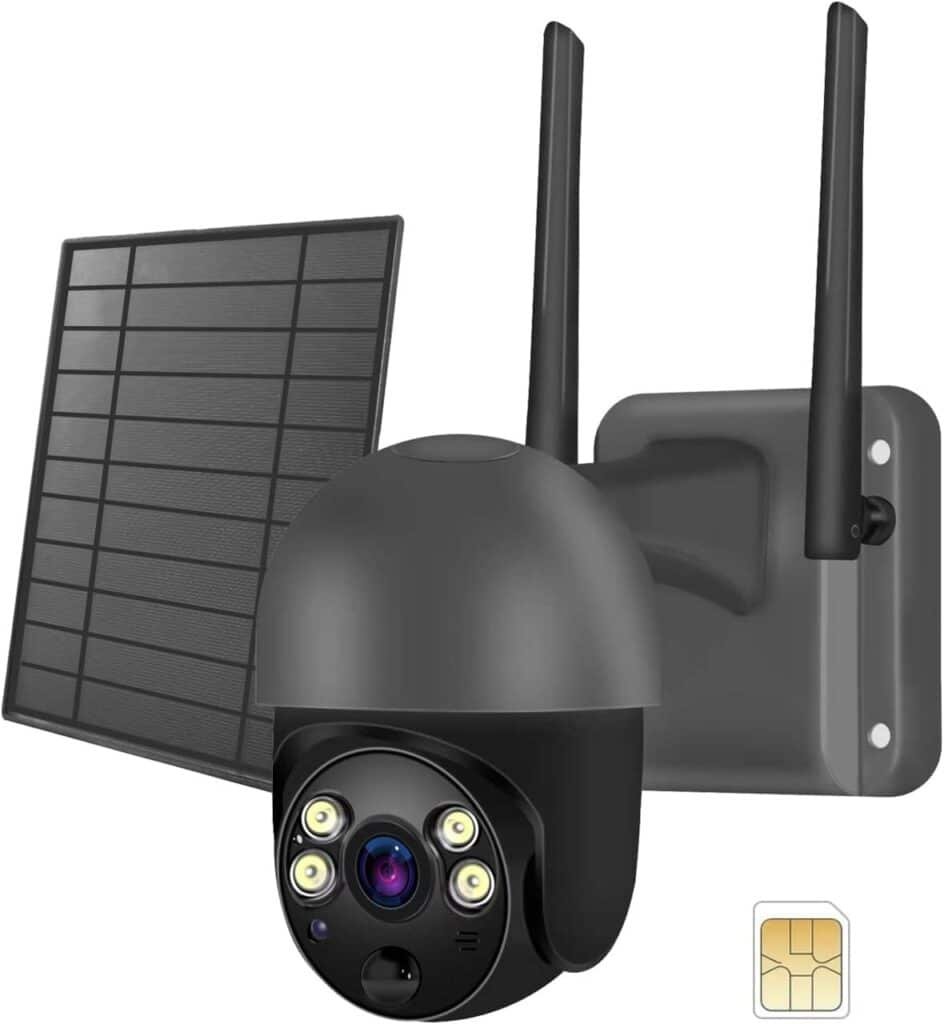
  • How SIM-based CC cameras operate through mobile data instead of Wi-Fi: SIM card-enabled cameras use mobile networks for connectivity, which is useful in areas without Wi-Fi.
  • Scenarios where SIM card cameras are useful: These are ideal for remote locations or temporary setups where Wi-Fi isn’t available.
  • Advantages and limitations of SIM card-based cc camera with sim card: While offering flexibility, they may have data usage costs and limited bandwidth.
  1. CC Camera Cost and Budgeting
  • Price range and features associated with different CC camera types: Discuss how cost affects camera quality and features.
  • Basic Models: Typically priced ₹2,000 – ₹8,000, they are suitable for basic home security.
  • Mid-range Models: Costing ₹8,000 – ₹25,000, these cameras include HD quality and motion detection.
  • High-end Models: Over ₹25,000, these offer advanced features like PTZ and extended storage.-cc camera cost
  • Tips for choosing the best camera within your budget: Advice on balancing needs with available features.-cc camera cost
  1. cc camera mobile connect Connectivity with CC Cameras
  • Advantages of connecting CC cameras to mobile devices: Access footage remotely and receive alerts.
  • Popular apps for live streaming and monitoring CC camera footage: Many brands offer apps that allow for real-time monitoring.
  • How mobile alerts and notifications work for instant updates: Notifications allow users to act immediately when an event occurs.
  1. Solar CC Camera for Eco-friendly Security
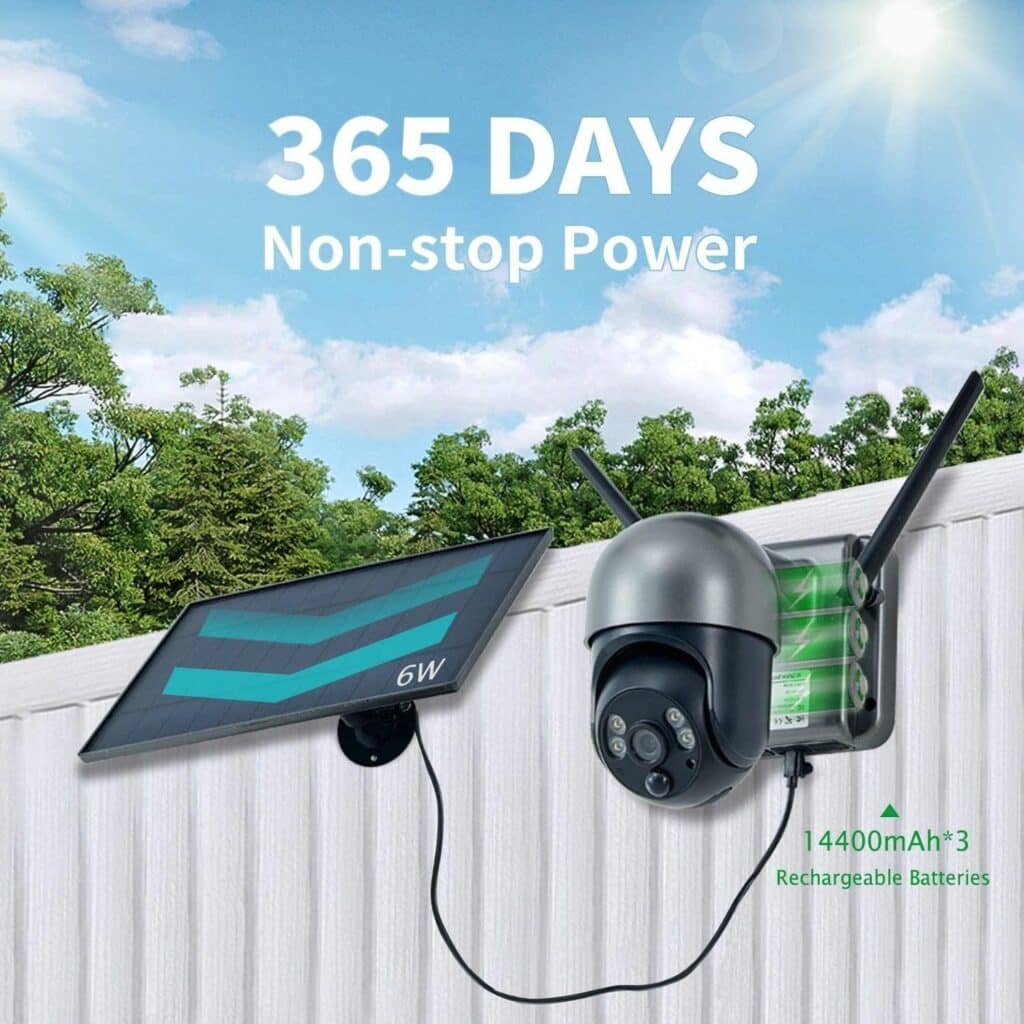
  • How solar-powered CC cameras work: Solar panels charge the camera, making them useful in areas with limited power sources.
  • Scenarios and locations ideal for solar-powered cameras: Best for rural areas or locations without reliable electricity.
  • Maintenance and upkeep for solar-powered CC cameras: Solar cameras may require regular cleaning of panels for maximum efficiency.
  1. Installation Tips for CC Cameras
  • Placement and Height: Tips on placing cameras high for maximum coverage.
  • Angle and Field of View: Recommendations for positioning the camera’s view to cover key areas.
  • Wiring Considerations: Safe setup for wired cameras and troubleshooting for wireless options.
  • Power Source Selection: Choosing between AC, battery, or solar based on location.
  1. Maintenance and Troubleshooting of CC Cameras
  • Regular Cleaning of Lens and Sensor: Prevents dust from blocking the camera’s view.
  • Firmware and Software Updates: Ensures access to the latest features and bug fixes.
  • Troubleshooting Connectivity Issues: Tips for resolving Wi-Fi or signal issues.
  • Camera Rebooting and Resetting: Instructions for resetting the camera to resolve common issues.
  1. Benefits of Using a CC Camera
  • Enhanced Security: Deters criminal activity.
  • Remote Access and Monitoring: Allows users to check in anytime, anywhere.
  • Evidence Collection: Recorded footage is useful in legal situations.
  • Safety for Families and Businesses: Ensures peace of mind.
14. Common Uses of CC Cameras
  • Residential: Monitoring homes, front doors, and garages.
  • Commercial Spaces: Securing inventory and staff.
  • Public Spaces: Used in malls and parks for public safety.
  • Workplaces: Ensuring employee safety and property protection.
  • School and Campus Security: Surveillance to ensure the safety of students and staff.
15. Factors to Consider When Choosing a CC Camera
  • Location (Indoor vs. Outdoor): Different designs for indoor and outdoor environments.
  • Camera Resolution: Higher resolution cameras provide better clarity.
  • Budget Considerations: Tips for balancing cost with feature requirements.
  • Specific Security Needs: Guidance on selecting features based on individual needs.
16. Future Trends in CC Cameras
  • Artificial Intelligence and Facial Recognition: Advanced security features becoming more accessible.
  • Cloud-Based Storage and Analysis: Benefits of cloud storage for security footage.
  • Improved Night Vision and Low-Light Technology: Better visibility in low-light conditions.
  • Integration with Smart Home Systems: Growing role of IoT and smart home compatibility.
Conclusion
  • Summarizing the importance of CC cameras for personal and public safety: Final encouragement for readers to consider CC cameras as an investment in security and peace of mind.

Frequently Asked Questions (FAQs)

  1. What is the full form of a CC camera?

    • The full form of CC camera is Closed-Circuit Camera, designed for private, non-broadcast surveillance.
  2. Can I connect a CC camera to my mobile?

    Sbi Yono Password Change
    How to SBI YONO Password Change : A Step-by-Step Guide
    • Yes, most CC cameras can connect to mobile devices, allowing real-time monitoring through dedicated apps.
  3. What is the cost range for CC cameras?

    • CC camera prices vary from $30 for basic models to $300+ for high-end cameras with advanced features.
  4. Are there CC cameras that work without Wi-Fi?

    sbi yono business
    SBI YONO Business: Simplifying Business Banking
    • Yes, CC cameras with SIM card support can operate via cellular data, ideal for areas without Wi-Fi.
  5. How do solar CC camera work?

    • Solar CC camera harness solar energy to operate, making them a sustainable option for remote locations.

Picture of HP S Swaroop
HP S Swaroop
Share it