

The Rise of Smart Kitchens
What is a Smart Kitchen?
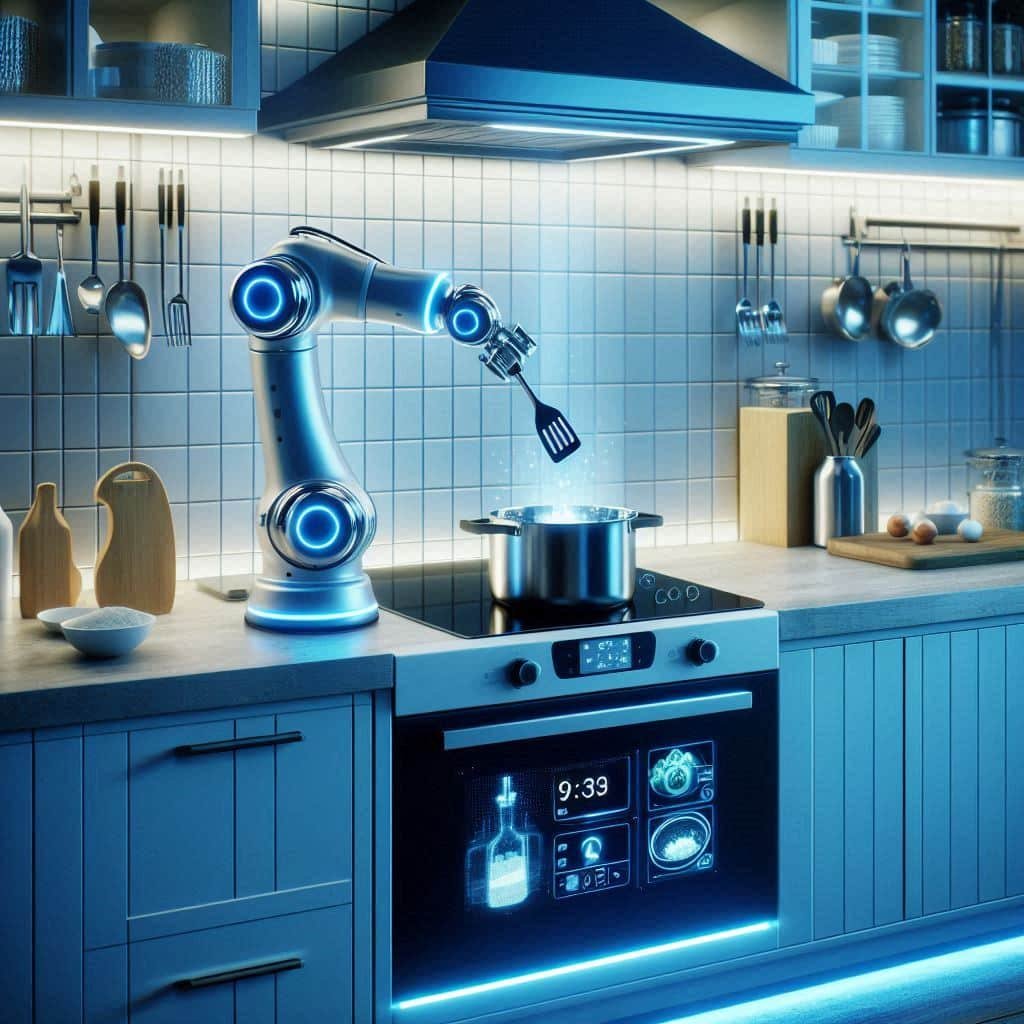
A smart kitchen integrates advanced technologies like AI, IoT, and robotics to streamline and automate various cooking processes. It’s a place where appliances communicate with each other, meals are personalized based on your preferences, and every step from meal planning to cleanup becomes more intuitive.
Evolution of Kitchen Technology
Kitchens have come a long way from manual stoves and iceboxes. Microwave ovens, dishwashers, and smart refrigerators set the stage for today’s high-tech kitchens. Now, robotics and AI are pushing the boundaries, enabling fully automated cooking systems that mimic the precision of professional chefs.
How Robotic AI is Transforming Kitchen Operations
Automation in Food Preparation
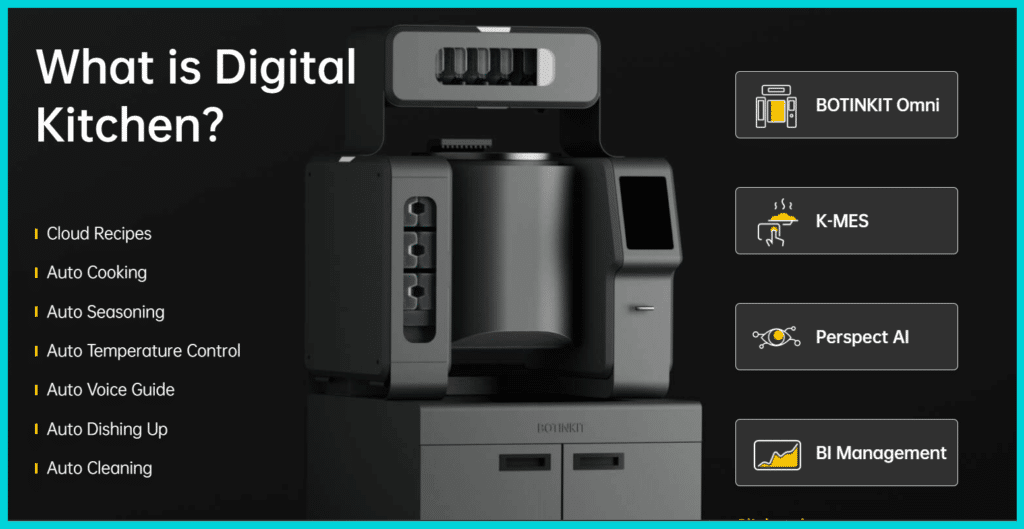
Robotic arms can chop, dice, and mix with unparalleled accuracy. AI-driven machines can perform repetitive tasks like kneading dough or flipping pancakes, ensuring consistency in every dish. For instance, Moley Robotics has developed a fully robotic kitchen capable of cooking thousands of recipes with the push of a button.
Enhancing Cooking Precision with AI
AI systems analyze temperature, cooking times, and ingredient ratios to achieve perfect results every time. These systems learn and adapt, tailoring recipes to individual tastes. Imagine a pizza dough that’s always perfectly crisp or a steak cooked exactly to your preferred doneness—this is the power of AI precision.
Smart Appliances in Modern Kitchens
AI-Powered Refrigerators and Ovens
Smart refrigerators monitor expiration dates, suggest recipes based on available ingredients, and even place grocery orders automatically. AI-driven ovens adjust cooking temperatures dynamically, ensuring even baking and roasting. Samsung’s AI-equipped smart appliances are leading the charge in this space.
Integrating Robotic Assistants into Cooking Routines
Robots like Flippy by Miso Robotics are transforming kitchens by flipping burgers or frying items in restaurants, but their home-friendly counterparts are equally impressive. They reduce the physical effort of cooking, making it more enjoyable and less time-consuming.-Chef Magic Kitchen Robot
AI and Meal Planning
Personalized Recipe Suggestions
AI-powered apps analyze your dietary habits, nutritional needs, and taste preferences to create meal plans tailored just for you. For instance, apps like Whisk and Yummly are revolutionizing how families plan meals, offering endless inspiration based on what’s in the fridge.
Automated Grocery Lists and Inventory Tracking
Gone are the days of running out of milk unexpectedly. Smart kitchens track inventory and automatically add items to your grocery list when stocks are low. AI even identifies waste patterns to suggest adjustments, ensuring you buy only what you need.

The Internet of Things (IoT) plays a pivotal role in integrating kitchen devices, creating a unified ecosystem. Imagine your refrigerator communicating with your oven to preheat based on the recipe you selected, or your coffee maker starting as soon as your morning alarm goes off. IoT connects these smart appliances, ensuring they work in harmony to streamline your cooking experience.-Chef Magic Kitchen Robot
IoT-Enabled Sensors for Energy Efficiency
Energy-efficient kitchens are a top priority in the modern world, and IoT is the key to achieving this. Sensors track appliance usage and power consumption, optimizing energy usage in real-time. For instance, AI can schedule dishwashers to run during off-peak electricity hours, saving money and reducing your carbon footprint.-Chef Magic Kitchen Robot
Improved Kitchen Safety with AI Solutions
Monitoring Hazards Through AI Sensors
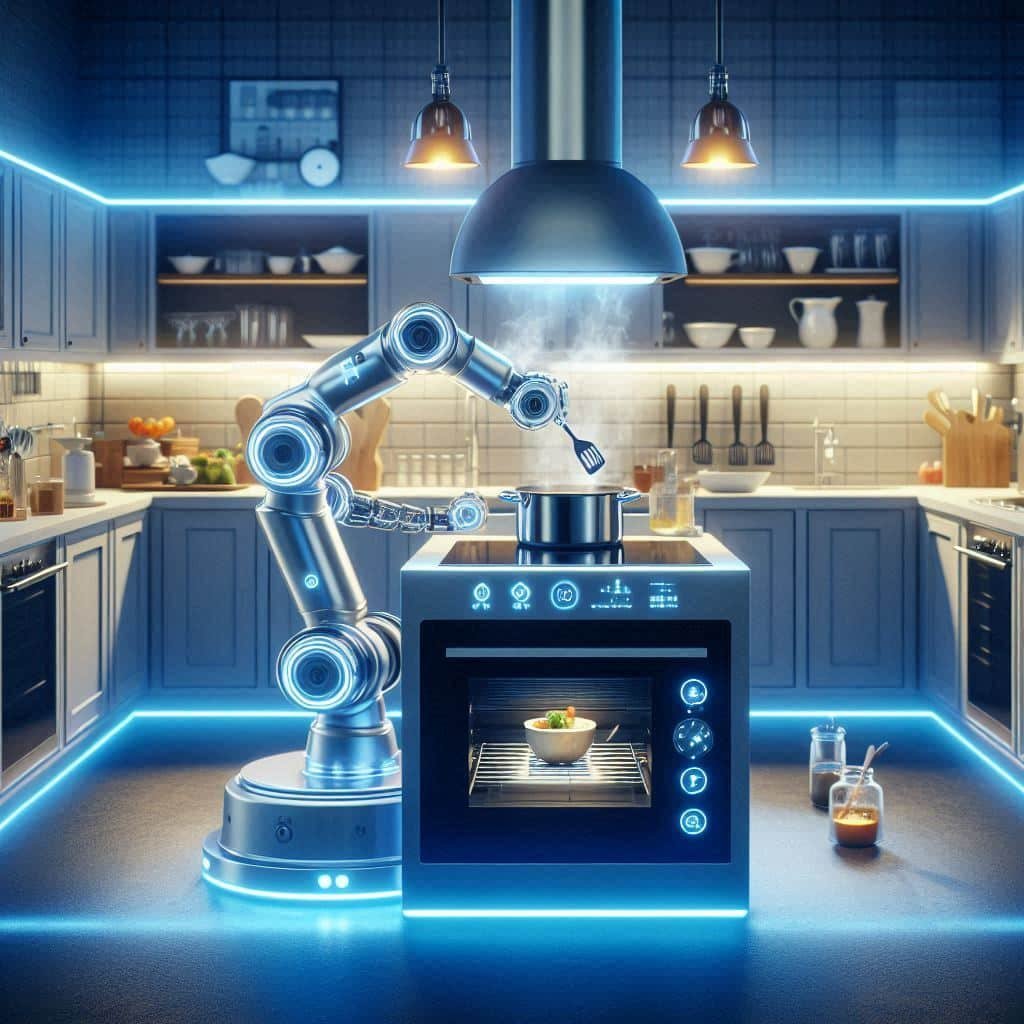
Kitchens are inherently prone to hazards, but AI can mitigate risks significantly. Smart sensors detect gas leaks, smoke, or unusual heat patterns and alert users instantly. Systems like Nest Protect go a step further, integrating with other devices to take preventive actions, such as shutting off gas lines or activating exhaust fans.
How Robotics Enhance Fire Prevention and Food Safety
Robotic assistants are designed to minimize common safety concerns. These devices use precise algorithms to handle hot surfaces and sharp tools, reducing accidents. Moreover, AI ensures food safety by monitoring temperatures during storage and cooking, preventing undercooking or spoilage.
Sustainability in AI-Driven Kitchens
Reducing Food Waste Using AI
Food waste is a significant global issue, but AI is offering innovative solutions. By analyzing purchase habits and expiration dates, AI suggests meals to use up ingredients before they go bad. Apps like Too Good To Go and AI-powered kitchen assistants are helping households and businesses dramatically cut waste.
Energy-Efficient Appliances and Resource Management
Energy-saving is a hallmark of AI-driven kitchens. Smart dishwashers, ovens, and refrigerators use algorithms to optimize performance while consuming minimal resources. For instance, eco-friendly dishwashers use AI to adjust water levels based on load size, saving gallons of water annually.
AI and Accessibility
Supporting Individuals with Disabilities
AI-driven solutions are transforming kitchens into inclusive spaces. Voice-controlled systems like Alexa or Google Assistant enable people with mobility challenges to operate appliances effortlessly. Robots can assist with tasks requiring fine motor skills, such as slicing or stirring.
Voice-Controlled and Intuitive Systems
The rise of intuitive interfaces makes technology accessible to everyone. AI-powered kitchen hubs recognize speech patterns and adapt commands, simplifying tasks like adjusting oven temperatures or setting timers. This seamless integration promotes independence for individuals with varying abilities.
Future Trends in Robotic AI for Kitchens
Predictions for the Next Decade
The future of kitchens is brimming with possibilities. We may soon see robotic chefs capable of preparing gourmet meals from scratch, or smart kitchens powered by blockchain to track food origins. AI could even personalize food textures for specific health conditions, such as dysphagia.
Innovations on the Horizon
Some startups are experimenting with nanotechnology to 3D print food, while others are developing AI-driven nutrition scanners to analyze the health benefits of ingredients instantly. These futuristic solutions promise to make kitchens smarter, healthier, and more efficient.
Case Studies of AI Kitchens in Action
Real-Life Examples of Robotic Kitchen Integration
Companies like Moley Robotics have developed fully automated robotic kitchens that can prepare a variety of dishes. Similarly, restaurant chains like CaliBurger employ robotic assistants to grill and flip burgers, showcasing the efficiency of AI-driven systems in commercial kitchens.

Success Stories from Users
Home users who have adopted smart kitchens rave about the convenience of automated meal planning and time-saving features. Many report significant reductions in food waste and energy bills, proving the practical benefits of integrating AI into daily life.